Main Uses
1. Textile Silk (Primary Use)
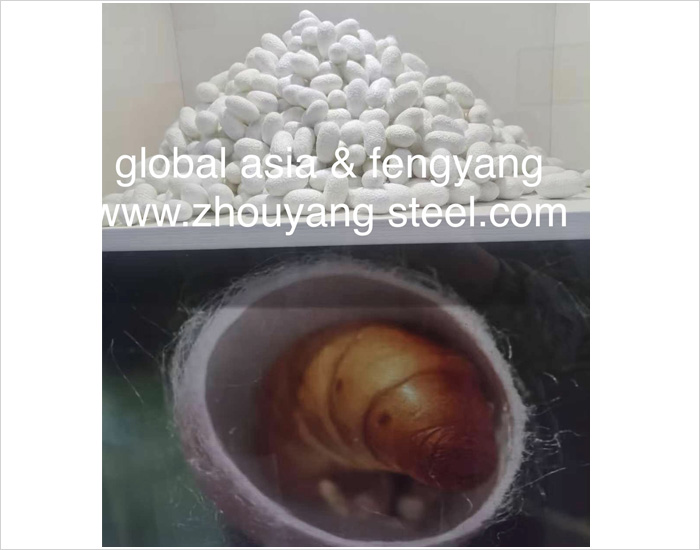
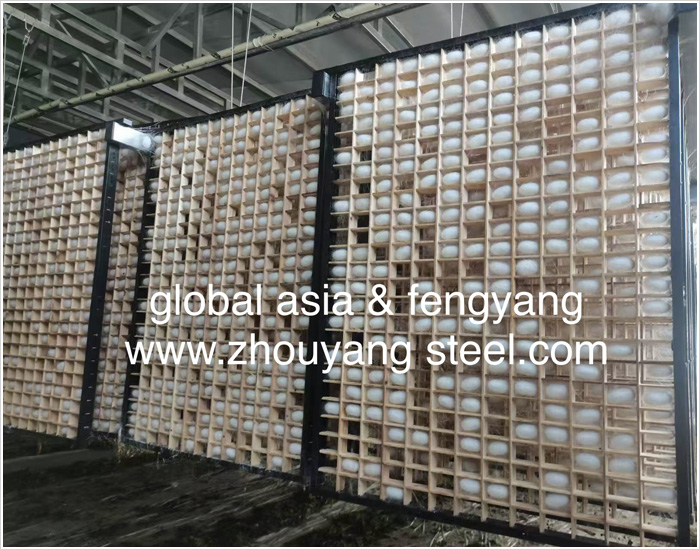
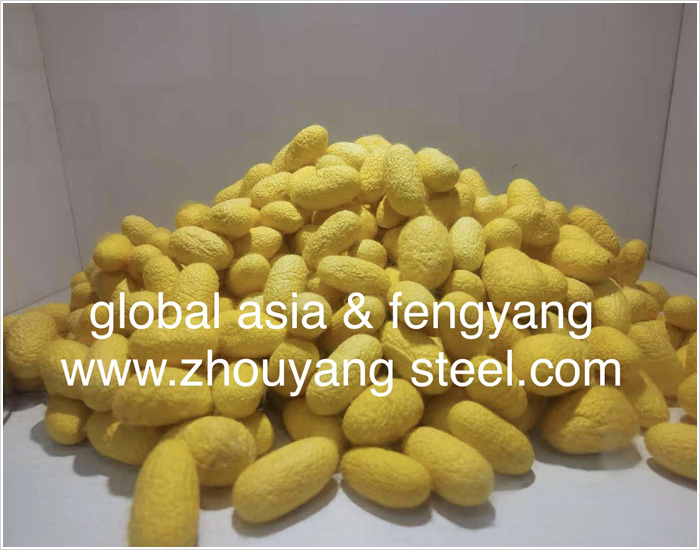
Silk cocoons are processed through reeling to produce raw silk. Raw silk has a soft luster, is breathable, and feels gentle against the skin. It is used to produce high-end textiles such as silk fabrics, silk garments, silk quilts, and scarves. Raw silk can also be blended with cotton, linen, and cashmere to enhance fabric performance (China Youth Net).
2. Food
Silkworm pupae are rich in protein and can be deep-fried or steamed, making them a distinctive culinary ingredient; silkworm moths can also be processed for consumption.
3. Medical and Cosmetic Fields
1. Silk protein: Used to make absorbable surgical sutures, artificial skin, and wound dressings; it has good biocompatibility and can be degraded and absorbed by the human body;
2. Silk protein extracts are added to skincare products and face masks to provide moisturizing and restorative benefits;
3. Silkworm droppings (silkworm feces), silkworm molts, and silkworm moths are used as medicinal ingredients in traditional Chinese medicine; silkworm droppings can be used to make pillows, which have calming and health-promoting effects.
4. Agricultural Fertilizer
After fermentation, silkworm droppings become a high-quality organic fertilizer used in fruit tree and crop cultivation.
5. Innovative Materials for Scientific Research
Silk protein is used to develop cutting-edge materials such as flexible electronics and biomimetic materials (artificial bone, vascular stents).
|